Standardisation has its place in mining. It simplifies maintenance, improves consistency and can reduce complexity across large operations. But when it comes to truck beds, standardisation can become the enemy of productivity.
Every mining operation is different. Material properties vary, fleet configurations change and production priorities evolve. Increasingly, new technologies such as autonomous haulage systems, and battery-electric trucks are introducing challenges that standard designs don’t address.
The reality is that truck bed performance depends on understanding the operation. A design that delivers excellent results at one mine may be far from optimal at another.
Why Customisation Matters
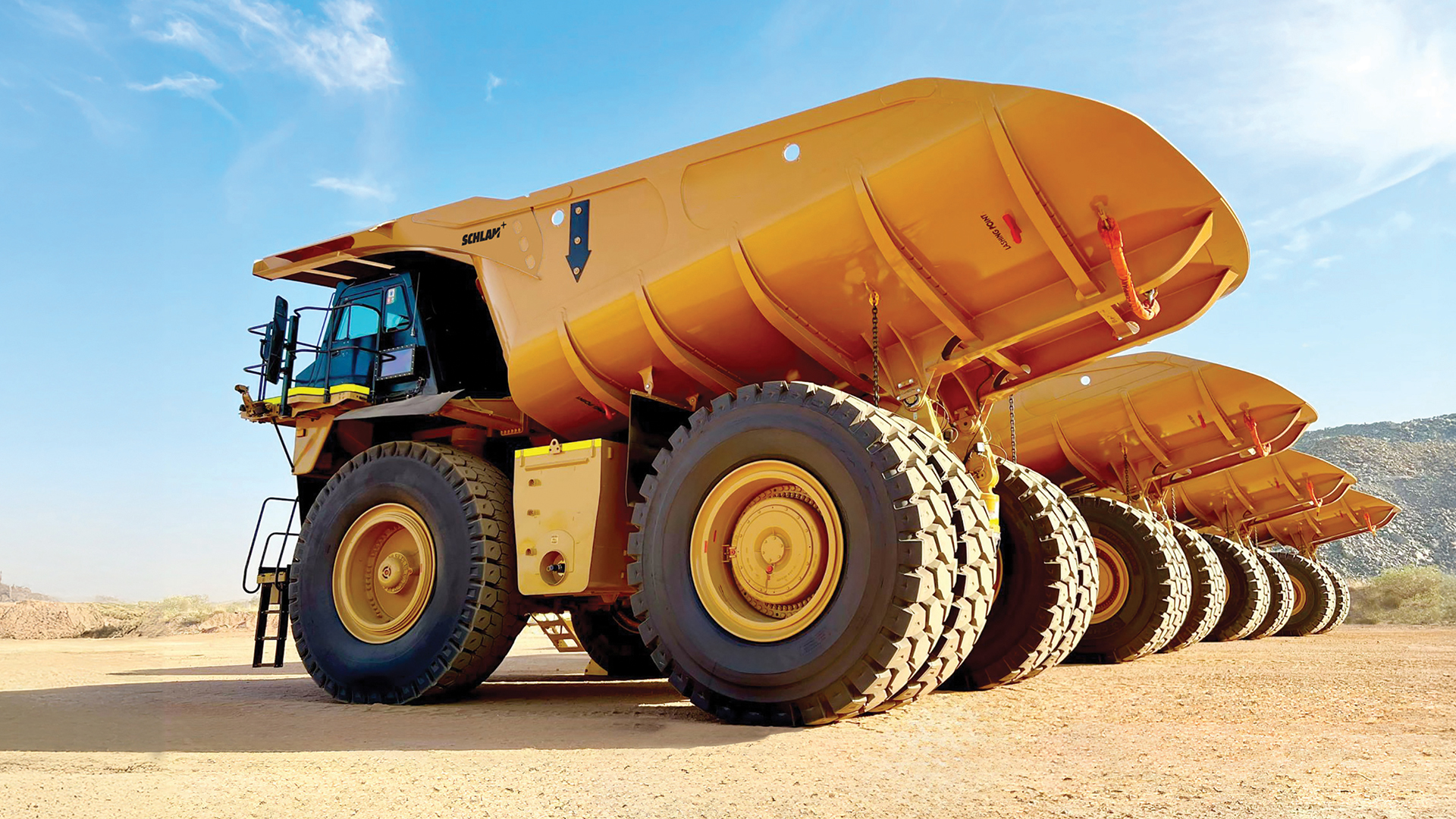
A truck bed has three critical jobs:
- Fit the haul truck
- Deliver target payloads
- Last as long as it can without requiring heavy maintenance
Achieving all three requires innovative engineering, product expertise, and mine-site knowledge.
Truck configuration, material density, fragmentation, moisture content and maintenance strategy can all influence how a truck bed performs in service. Small differences in operating conditions can have a significant impact on payload performance, durability and operating costs.
Payload optimisation provides a good example.
Truck bed designs are often based on assumptions about chassis weight and material density. However, real-world operating conditions frequently differ from manufacturer specifications. Site-specific truck configurations can affect available payload, while variations in material characteristics can influence capacity requirements and material flow.
Without an accurate understanding of those variables, there is a risk that a truck bed will never perform as intended.
The same principle applies to durability.
Some operations prioritise maximum payload and plan to replace truck beds at the end of their service life. Others focus on extending asset life through refurbishment programs. Understanding those objectives helps ensure the design is aligned with the mine’s long-term operating strategy.
The most productive truck bed is not necessarily the largest or lightest.
It’s the one designed around the realities of the operation.
New Technologies Are Creating New Challenges
As mining evolves, truck bed design is becoming even more site-specific. Autonomous haulage systems are one example.
Without operators in the cab, truck beds are often exposed to different loading conditions than those experienced in traditional fleets. Additional considerations such as antenna locations and equipment protection can also influence canopy and body design.
Battery-electric trucks present another emerging challenge.
The batteries required to power these machines add significant weight to the front of the chassis, creating new axle-loading considerations. Truck bed design plays an important role in maintaining the correct balance between payload performance and safe operating characteristics.
Simply moving payload rearward is not always the solution. Over-correcting weight distribution can introduce instability during dumping, particularly in high-density mining applications.
As new technologies become more common, understanding these interactions will become increasingly important, as standard designs struggling to account for these complexities.
Starting With the Mine
At Schlam, truck bed design starts by understanding the operation.
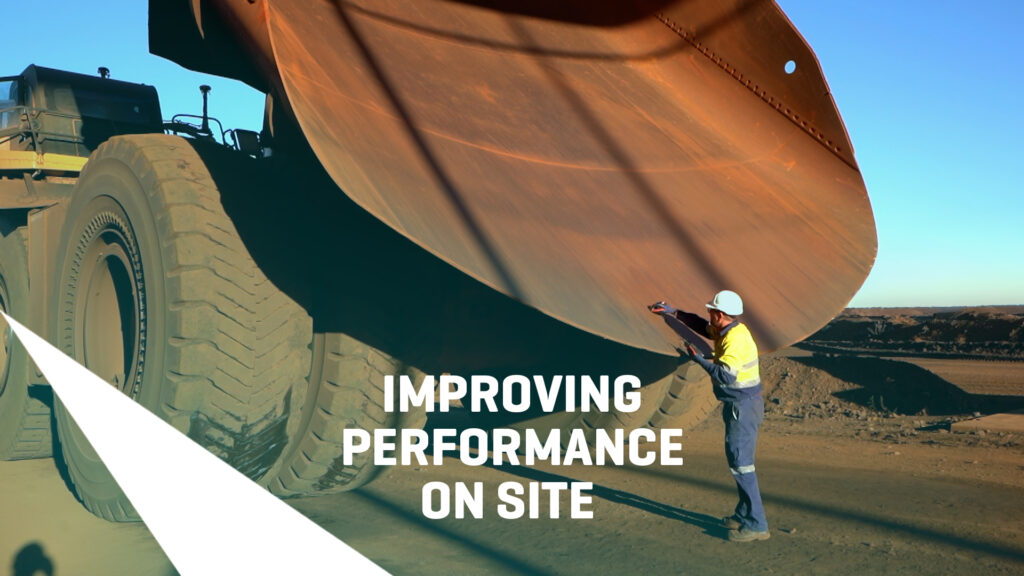
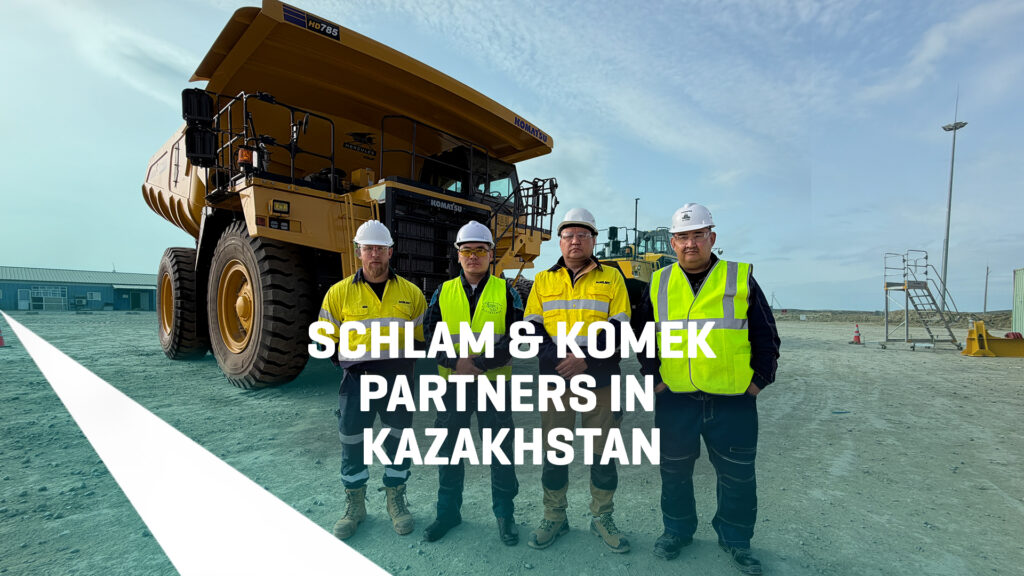
Our application engineers work closely with mine sites to understand fleet configurations, material characteristics and operational objectives before a design is developed. Through site visits, technical reviews and 3D scanning, we gather the information needed to optimise performance for a specific application.
That approach is strengthened by decades of experience across the entire truck bed lifecycle. Long before manufacturing our own truck beds, Schlam was refurbishing them. Today, we continue to support truck bodies through inspection, maintenance and rebuild programs.
This creates a continuous feedback loop between real-world performance and future design improvements, helping ensure every new design benefits from lessons learned in the field.
One Size Doesn't Fit Any
Mining operations are becoming more complex, not less.
Material conditions change. Fleets evolve. New technologies introduce new requirements.
In that environment, standardisation can limit performance.
The operations achieving the best results are increasingly those that recognise truck bed design as a site-specific engineering challenge rather than a catalogue selection.
Because when it comes to mining truck beds, one size doesn’t fit all – in reality, one size doesn’t fit any.