It’s now been one year since we started to apply Lean Manufacturing principles in our production line and we’re certainly seeing benefits for our people and customers.
As part of the Schlam Future-Ready Manufacturing program, Lean philosophy and disciplines are helping to identify ways to make our production line safer, more efficient and agile.
The philosophy emerged from post-World War II actions to support the reconstruction of Japan’s heavy manufacturing industries in the context of extraordinary constraints. It is commonly associated with the Toyota Production System. The concept is based on eliminating waste, improving the flow of production processes, ensuring all activities add value to customers and empowering employees to drive continuous improvement.
In the past year, we’ve progressed through a discovery phase which revealed a lot of information as well as immediate opportunities for improvement.
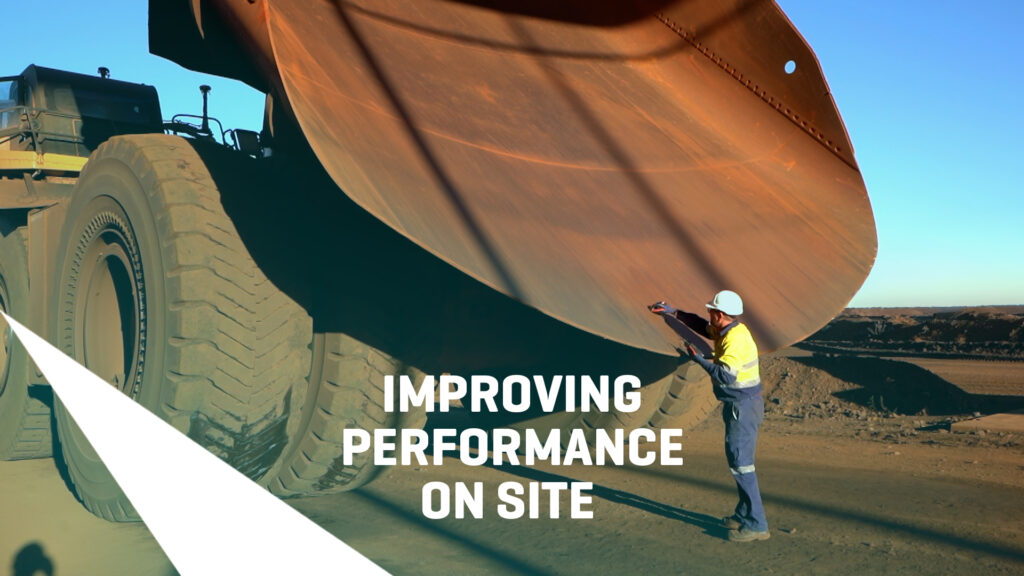
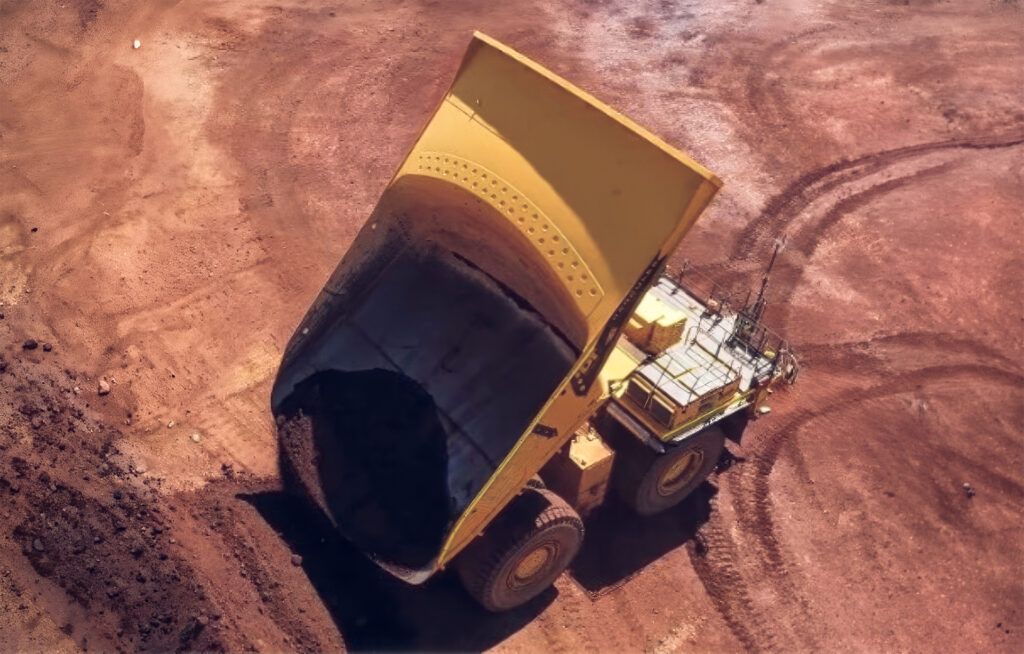
Schlam Executive General Manager Global Manufacturing, Daniel Pongitor, said a value stream mapping exercise focused on the steps between when an order for a new Hercules truck bed or Barracuda bucket is taken and when the finished product is delivered.
“This has helped to plot our current state and our future state and we’ve made meaningful inroads since,” Daniel said.
“For our customers, the improvement enhances quality and reliability. It also reduces lead time and gives us more sprint capacity for new product lines or new customer requests. So there are some significant advantages for our customers.”
One of the process changes resulted from a ‘Kaizen’ improvement event looking for quick, simple and low-cost solution to how Hercules truck beds are moved from the production line to the painting area as the finishing step.
In collaboration with the Painting Bay team, the process was reduced from more than 30 steps to 4, which resulted in a much safer process, a 30-minute time saving and reduction of required resources. The new steps take 15 minutes, involve 2 people instead of 5 and free-up several items of heavy equipment.
Other changes have improved the workshop layout, reduced trips between central stores and work locations, made better use of heavy equipment, and fabricated solutions for storing essential components neatly and safely. These removed restrictions to allow the workshop to flow more evenly. Associated energy efficiencies gained are expected to contribute to emissions reduction objectives under Schlam’s ESG Roadmap.
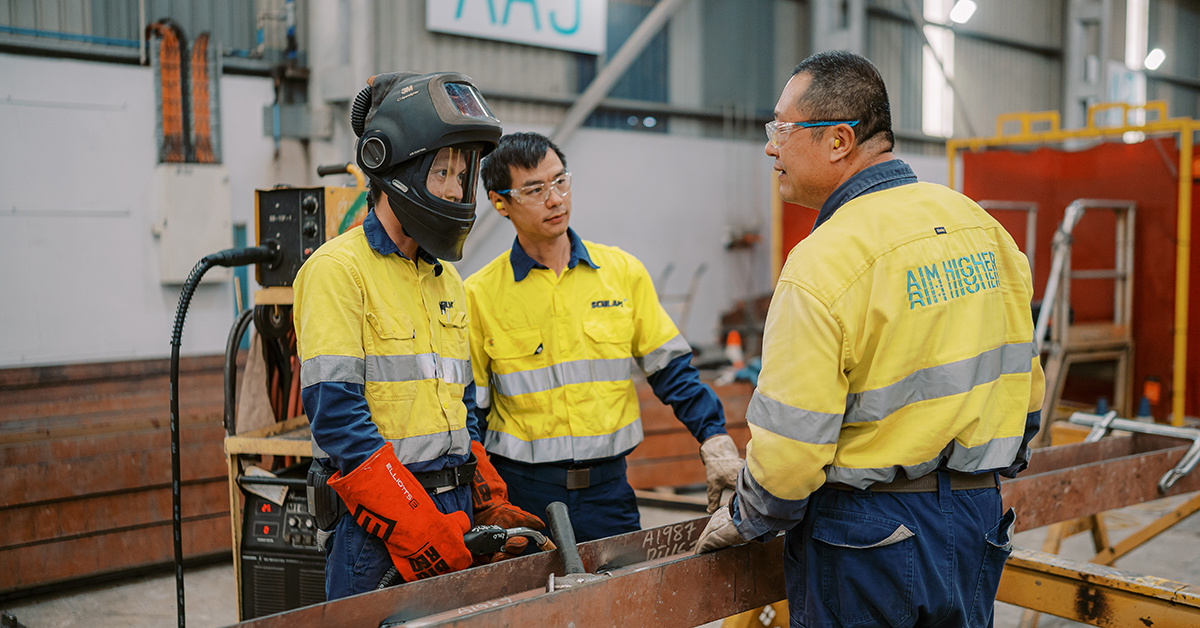
Daniel said by revealing ways to make people’s jobs not only safer but also simpler, the Lean processes are encouraging team members to get involved in problem-solving.
“Fundamentally, Lean mindset and methodology is used to identify and eliminate waste in our processes. We aim to empower our team members on the floor to speak up when they have new ideas on how to improve a process, make it safer and / or more efficient.”
The development of a Lean Community of Practice within Schlam involving people from all manufacturing sites globally is a next step.
“We are privileged to have exceptional people all over the world now, with complimentary experiences and skillsets, who are eager to continuously improve our business and help drive Schlam’s sustainable growth,” Daniel said.
“Through a practice network, we can give our people the skills to apply this new way of thinking to enhance our production systems at those sites and also generate new ideas that can be shared.”
It is expected to take three years to reach maturity along the Lean journey and get to a point where all operations are fully implementing a new way of working. After that, Lean principles will continue to inspire continuous improvement initiatives.
It’s another way Schlam is building a reliably exceptional customer experience worldwide.