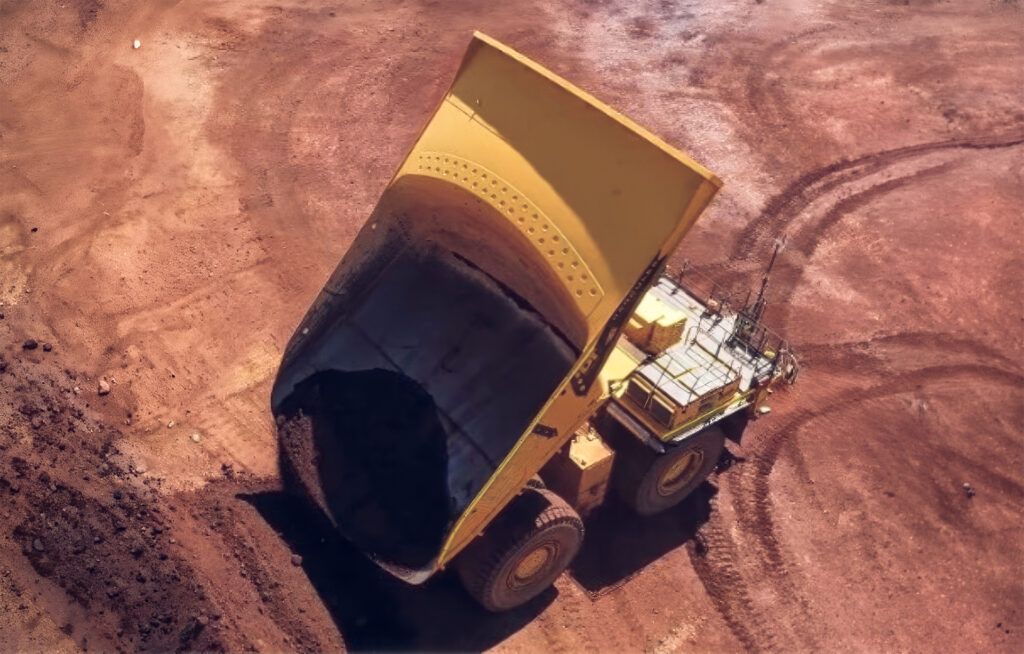
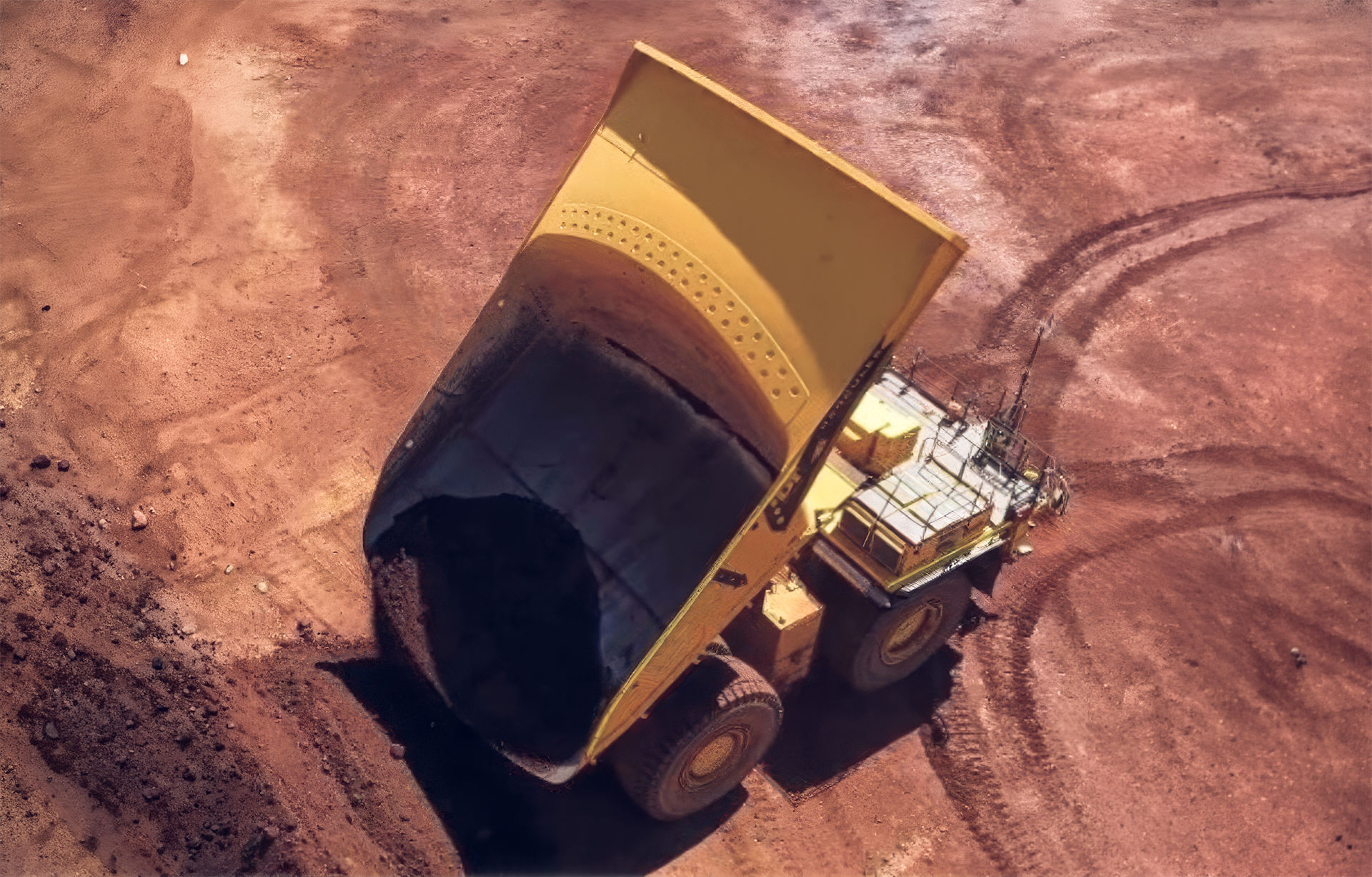
One Australian mining client’s carry back problem was quietly costing them millions before they worked out why.
Why the wrong question stalls progress
Many teams facing carry back focus on how to get the material out. The more useful question is why it’s there in the first place.
A challenge across the industry
Carry back is a common challenge across mining operations, and this client was no exception. Despite significant effort, carry back on their fleet of mining haul trucks continued to escalate over twelve months, costing millions in lost production. So, the client brought in Schlam to find out why.
Understanding why it’s there
Schlam sent an engineer to the client’s site for two weeks, combining Payload Management System data, asset health monitoring and site observation. Carry back could build to more than 100 tonnes in just three cycles, adding up to more than 205 full truckloads of material a week.
Three causes, one problem
- Dump scripts configured around dump location rather than material type
- High-clay, moisture-rich material behaving nothing like dry, rocky ground
- Truck and bed designs priories working against site conditions
A combination that worked
That range of causes is why fixing it took more than one change: targeted adjustments across dump scripts, bed design and live monitoring, addressing the problem from several angles at once.
Read the full case study, Causes and Solutions of Material Retention , to see the full combination of solutions Schlam developed.