In heavy engineering, creativity is not usually the first trait people think of. The industry is often viewed through a purely practical lens where performance, reliability and durability matter most.
But innovative engineering has always depended on people willing to think differently.
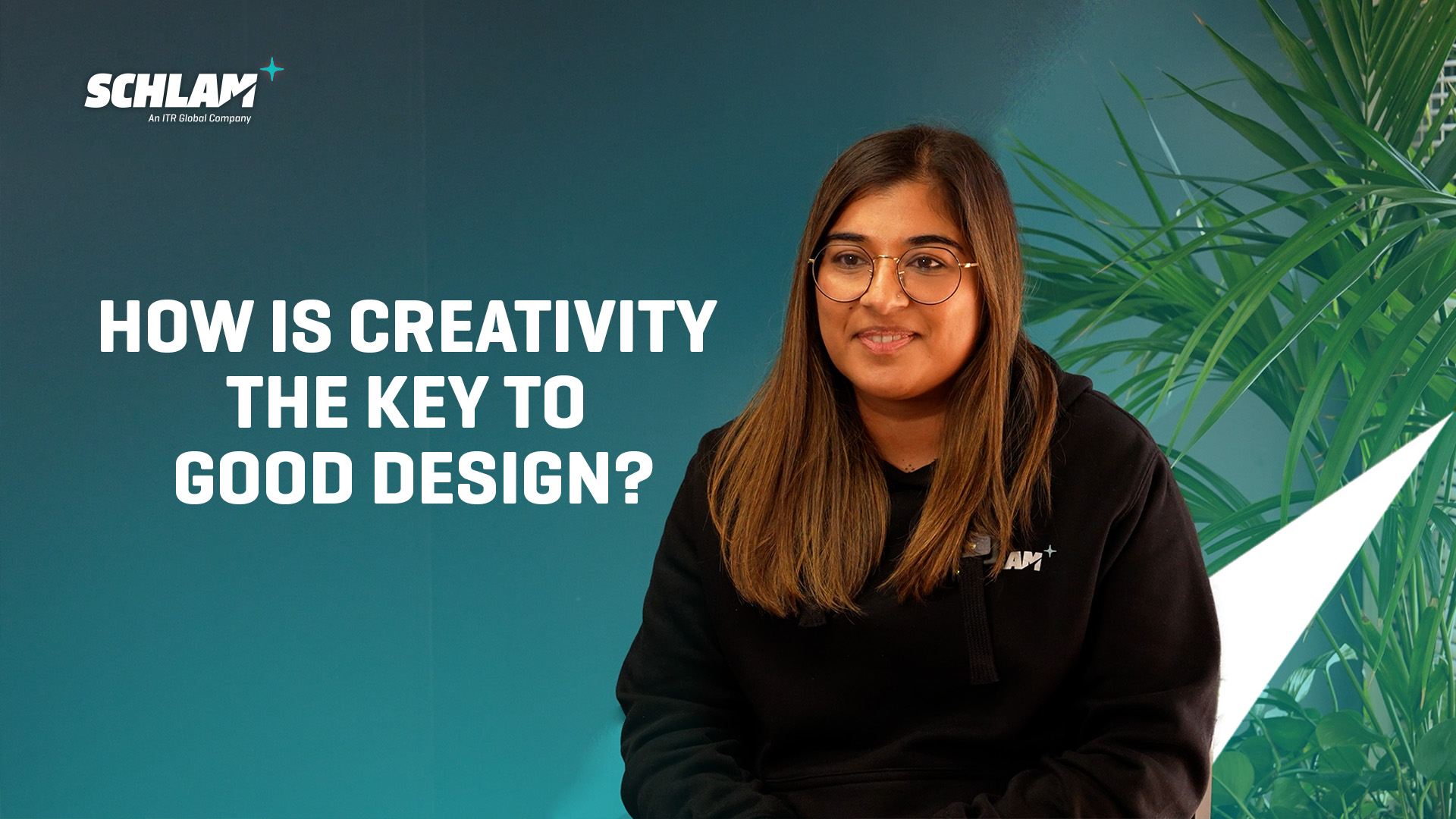
At Schlam, that mindset is embedded in how we approach design. Rather than relying on standard templates or industry assumptions, our engineering teams focus on understanding the operational context behind every challenge. For Engineering Draftsperson Krishma Gadhia, that process often starts by asking questions others may overlook.
Different Backgrounds Create Innovative Engineering Solutions
Before joining Schlam, Krishma worked in the UK’s fast-fashion industry, designing retail spaces and pop-ups. It was a very different environment, one focused heavily on presentation, detail and how people interacted with a space.
That experience shaped how she approaches engineering today.
When Krishma transitioned into heavy fabrication, she brought the same attention to detail into the design of mining equipment and attachments. Looking closely at how equipment operates in harsh site conditions helps uncover small design considerations that can improve long-term performance, maintenance outcomes and usability.
“The perspective that I have brought to this company has made people stop and think twice,” Krishma says. “It makes them think, ‘Actually, maybe that could be a reason why we need to consider X, Y, and Z.'”
Heavy Fabrication: Designing for Operation, Not Just the Product
At Schlam, engineering design starts with understanding how equipment will actually operate on site. Every mine has different haul profiles, materials, operating conditions and production priorities, which means a standardised approach rarely delivers the best outcome.
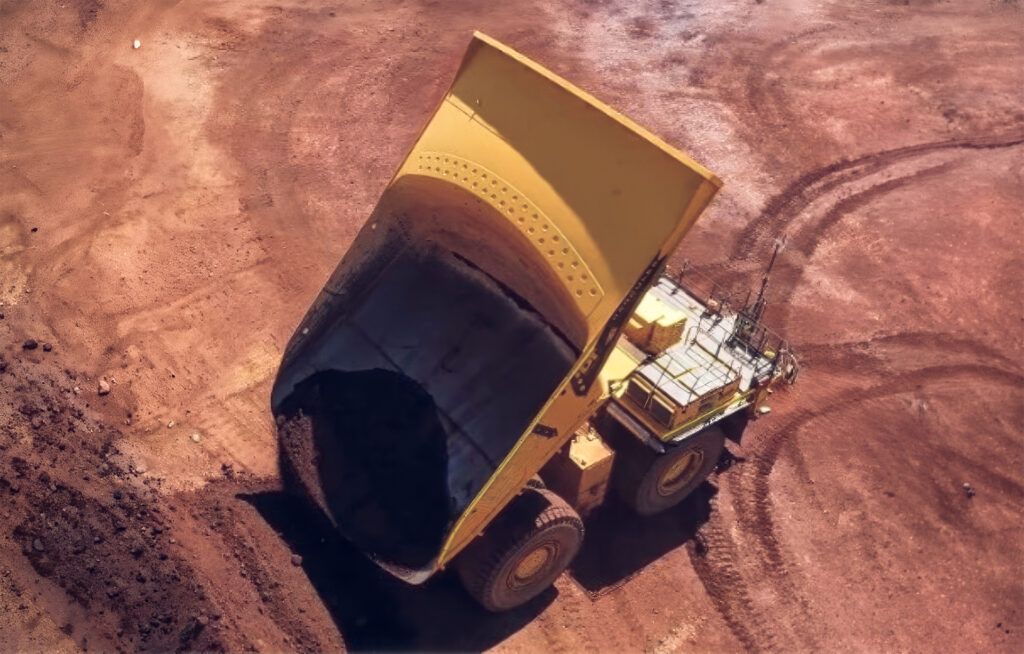
That thinking directly influences how truck beds and mining attachments are designed.
“Something as simple as what you would think are just two truck beds. Well, why couldn’t it just be square and boxy?” says Krishma. “It would still have the same purpose. But what a bed is built for, and the specific purpose for a particular client or site, makes a really big difference.”
By designing around the operational environment rather than an industry baseline, engineering teams can identify opportunities to improve payload performance, durability, maintenance efficiency and overall productivity.
Small Details Can Have Large Impacts
In heavy fabrication, small design decisions can influence performance at a much larger scale. That is why collaboration across engineering teams is so important.
At Schlam, engineers work closely together, combining fresh perspectives with practical industry experience. This allows ideas to be challenged, refined and improved throughout the design process.
“Through my peers and the fellow engineering teams, I’ve learned what difference a small detail can make to a very large job,” Krishma reflects. “There is something that you can learn from every single person in the team.”
As mining operations continue to demand safer, lighter and more productive equipment, engineering teams cannot rely solely on established thinking. Innovation often comes from people with different experiences, different viewpoints and a willingness to challenge assumptions.
Watch the full interview with Krishma below to learn more about how creative thinking supports engineering innovation at Schlam.