Australian mining has a global reputation for being tough. Remote operations, abrasive materials and relentless production demands have pushed mining equipment to its limits for decades.
For Schlam, decades working alongside some of the world’s most demanding mining operations hasn’t just shaped our products, it’s shaped how we think about payload, performance, and what actually works on site.
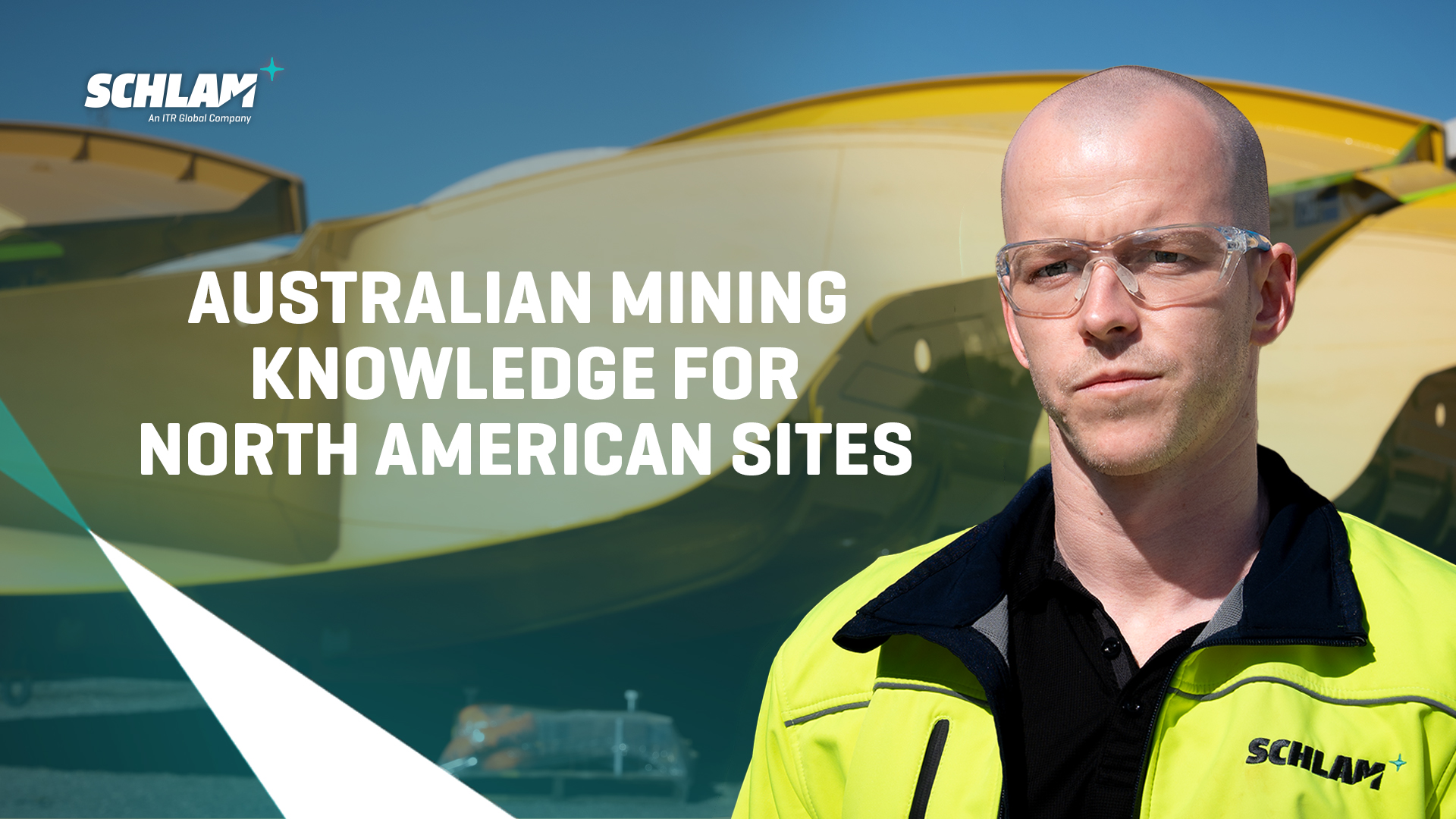
Now, those lessons are being applied across North America, helping operations in the U.S., Canada and Mexico unlock more efficient, consistent haul performance through custom engineered truck bed solutions.
1. Payload Optimisation Starts with the Reality of Your Site
No two mining operations are the same.
Haul roads vary, load cycles shift, material fragmentation changes, wear patterns evolve and even sites mining the same commodity can present completely different challenges.
That’s why there’s no such thing as a universal truck bed solution.
According to our VP Global Products, Tom Smith, it’s about understanding the mining environment and its challenges that allows us to develop the right product. This understanding is drawn from decades of lessons in the field.
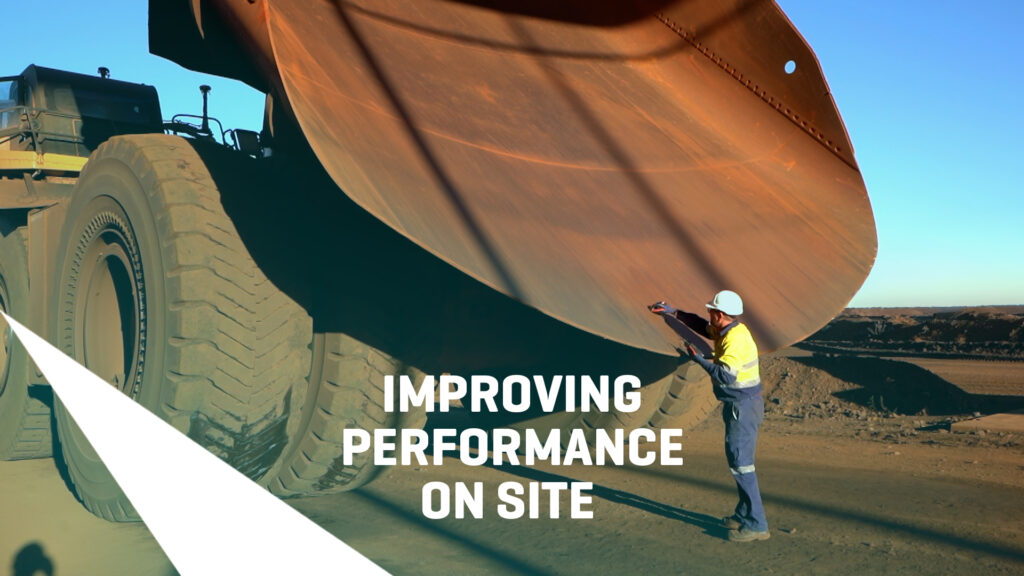
Tom now works alongside Schlam’s North American team in Tucson, bringing experience from hundreds of mine sites into local applications.
For Schlam, performance starts on site.
We work directly with operations to understand how their fleet actually runs, because the detail matters:
- How material flows and fragments
- Haul road conditions and variability
- Load distribution and retention
- Wear patterns across the tray
- Truck and excavator interaction
The result isn’t a standard design.
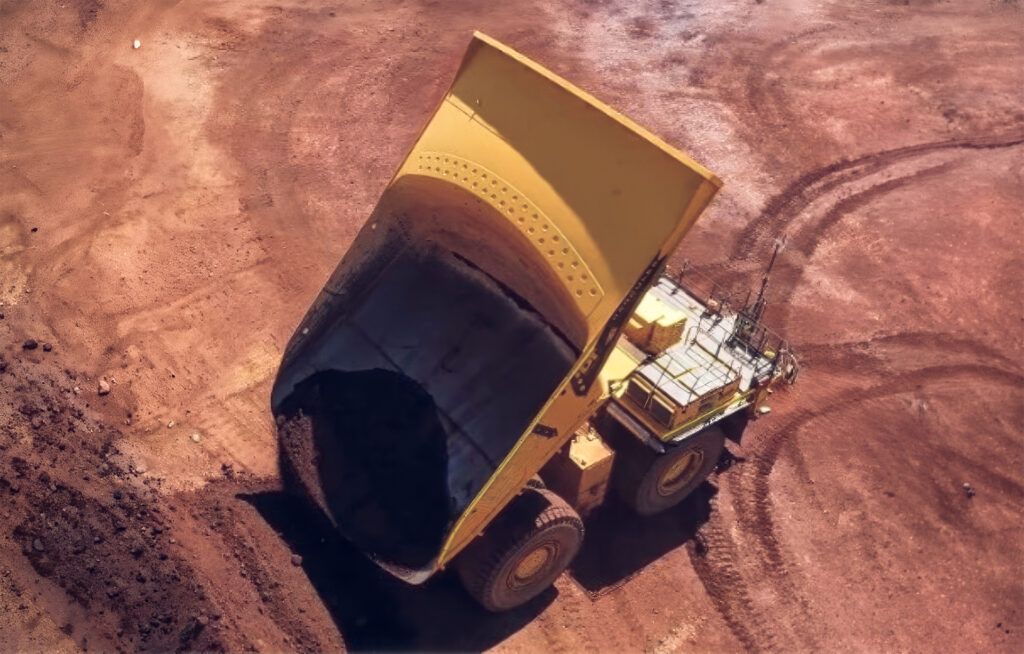
It’s a truck bed engineered around the realities of your operation, built to deliver payload gains where they actually happen.
2. Real Gains Come from Real Data
In Australian mining, performance improvements rarely come from a single big change.
They come from small, deliberate engineering decisions, built on data collected in the field.
Our VP Business Development, North America, John Nielson and his team attend site to scan your existing beds and understand how your material is actually wearing them.
That hands-on approach reveals opportunities you won’t find in a specification sheet.
Targeted design refinements, based on real operating data, can unlock measurable gains:
- Increased floor length to improve material retention
- Geometry optimisation to enhance material flow
- Reduced carryback and spillage
- Wear management to sustain long-term performance
- More consistent payload across every cycle
For North American operations, this creates a clear advantage.
Many of today’s challenges in copper, gold and iron ore have already been solved elsewhere. The opportunity is applying those proven learnings to local conditions, faster, and with confidence.
3. Safety and Performance Are Engineered Together
In high-performance mining environments, safety and productivity aren’t competing priorities, they’re directly linked.
Poor material flow. Unstable loads. Inefficient truck interactions.
These don’t just impact output, they introduce operational risk.
That’s why safety is engineered into every Schlam truck bed from day one.
Design features that improve safety also drive more consistent performance:
- Tail kicks to reduce truck interaction risks
- Controlled discharge profiles for predictable unloading
- Improved load stability across haul cycles
- Safer material retention in transit
Safety is the first value of our company, and we engineer that into every design.
Proven in Australia. Delivered in North America.
Australian mining conditions have already done the hard work, testing, refining and proving what high-performance load and haul looks like under pressure.
Schlam brings those lessons directly to North American operations, combining global experience with local insight to deliver customised solutions that improve payload, efficiency and reliability.
Because better performance doesn’t come from standard design.
It comes from understanding how your operation actually works, and engineering around it.